
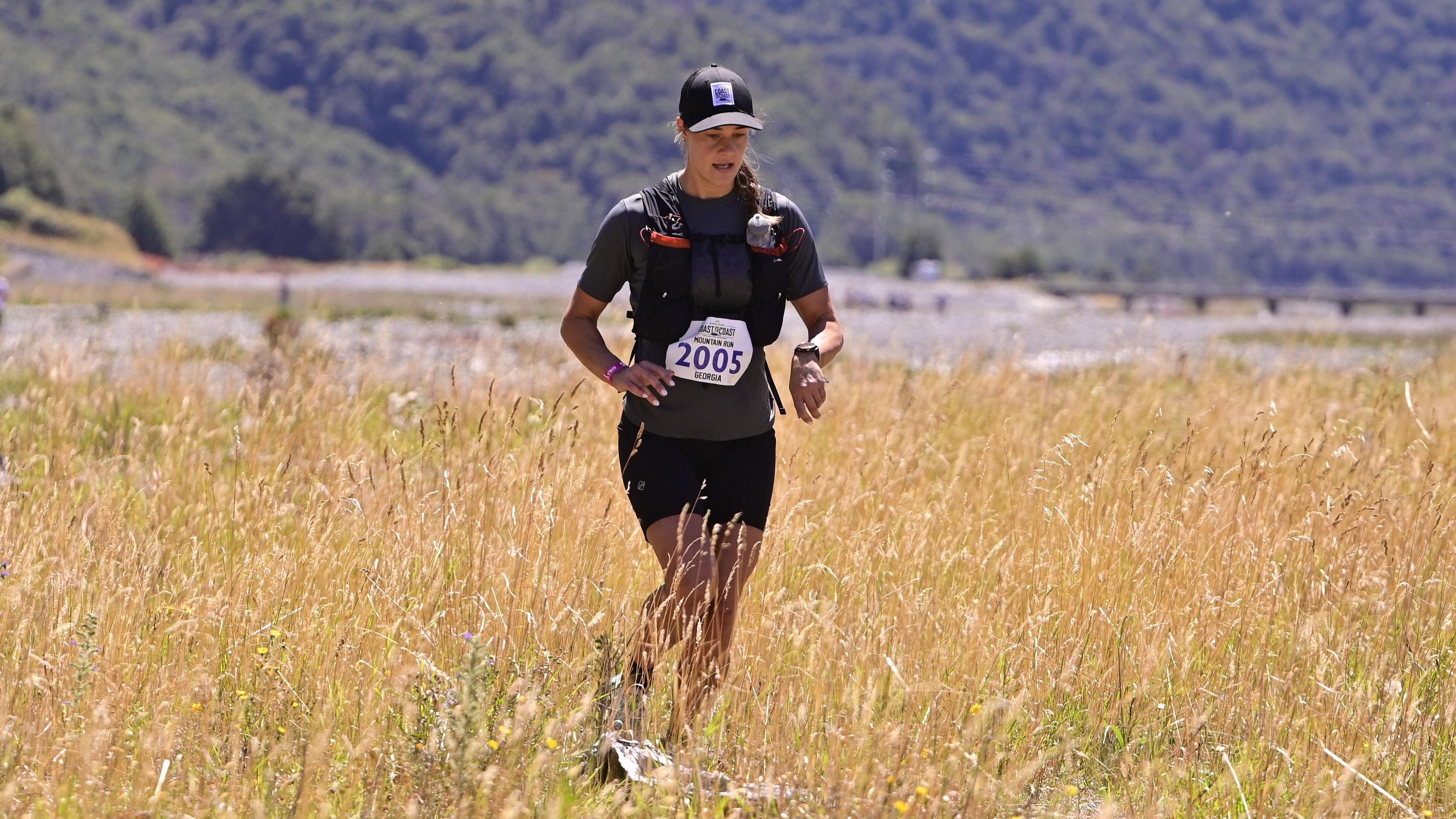
Strength Is Part of the Treatment: Rebuilding Your Running Capacity
Trail Notes | Strength, Injury & Recovery
rest can settle it, capacity helps you return
Strength Is Part
of the Treatment.
When a knee, hip or tendon starts to complain, most runners ask the same question: should I stop?
Sometimes the answer is yes. Sudden pain, swelling, pain that changes your gait or focal bone pain needs proper assessment. But many gradual running-related problems are not resolved by waiting for every sensation to disappear.
Rest may reduce irritation because it removes the demand. What it does not automatically do is prepare the tissue to tolerate that demand when you return. That is where education, load management and progressive strength work become important.
Strength is not a cure for every pain and it is not a substitute for diagnosis. It is one of the main ways we rebuild the capacity to run.
The goal is not simply to make pain quiet. It is to help your body become ready for the trail again.
That usually means adjusting the current load, understanding what is aggravating the area and gradually rebuilding strength and tolerance.
Trail Note · 01
Pain is information, not a complete diagnosis
Pain tells you that something needs attention. It does not tell you, by itself, exactly what has happened or how much damage is present.
Symptoms can be influenced by recent changes in distance, elevation, speed, terrain, sleep, stress, recovery and previous injury. Two runners with pain in the same place may need different plans.
That is why the first useful question is not simply, “Which muscle is weak?” It is, “What changed, what is the tissue currently tolerating and what needs to be rebuilt?”
Pain deserves a response. It does not always require complete rest, and it should never be ignored.
Trail Note · 02
Rest changes the load. Strength changes your capacity.
If running demand temporarily exceeds what a tissue can tolerate, reducing that demand may help symptoms settle. This might mean shortening a run, avoiding steep descents for a period, replacing speed work with a Base Run or taking a short break from running.
But if the plan ends there, the gap between what the trail demands and what the body can currently tolerate may still be present when you return.
Progressive resistance training helps close that gap. It can improve force production, movement control and the ability of muscles and tendons to tolerate load. The right program depends on the diagnosis and the runner, but the principle is consistent: reduce aggravation without unnecessarily removing all activity, then rebuild.
Trail Note · 03
Tendons usually need graded loading
Tendons adapt to the forces placed through them. When a tendon becomes painful, removing every form of load for a long period can reduce symptoms, but it can also leave the tendon less prepared for the force of running.
Research into gluteal tendinopathy has found that education about load management combined with exercise can improve pain and function. This does not mean every tendon follows the same protocol. Isometric holds, slower resistance exercises, heavier strength work and eventually faster or spring-like loading may all have a place, depending on the tendon and stage of rehabilitation.
The progression should be based on your response, not a generic rule that every rehabilitation plan must start with the same exercise.
A graded return may include
Reducing the specific movements or training doses that are keeping the area irritated.
Beginning with a tolerable form of resistance and building it progressively.
Reintroducing the speed, impact, climbing or descending demands required on trails.
Monitoring how symptoms respond during the session and over the following day.
Trail Note · 04
Train for the demands of trail running
Trail running asks you to produce force uphill, absorb it downhill and control your body on uneven ground. Your strength work should eventually prepare you for all three.
Build force
Squats, deadlifts, step-ups, split squats, calf raises and loaded carries can develop whole-body strength when appropriately selected and progressed.
Control one leg
Single-leg and staggered-stance exercises can build balance and control, but they should complement rather than replace heavier bilateral movements.
Prepare for descents
Step-downs, split squats and other controlled lowering exercises can help prepare the legs to absorb force, before downhill running is rebuilt gradually.
Restore spring
When appropriate, hopping, jumping and quicker movements bridge the gap between slow strength work and the elastic demands of running.
Her Trails coaching cue
Do not judge rehabilitation only by whether an exercise hurts. Ask whether your overall capacity is increasing and whether you are gradually becoming able to do more on the trail.
Trail Note · 05
Some discomfort does not automatically mean stop
For some diagnosed tendon and joint conditions, a manageable level of discomfort during rehabilitation can be acceptable. For others, pain is a reason to stop and reassess. The location, diagnosis, severity and response over the next day all matter.
This is why a universal pain score is less useful than an individual plan. A physiotherapist can help establish what response is acceptable for your condition, what should be modified and how quickly to progress.
Trail Note · 06
When strength is not the first answer
An online exercise list cannot tell you whether pain is coming from a tendon, joint, bone, nerve or another structure. Seek prompt assessment if you notice:
Sudden or severe pain following a fall, twist or impact.
Pain that causes limping or makes it difficult to bear weight.
Focal bone pain, particularly around the hip, groin, pelvis or sacrum.
Significant swelling, locking, giving way, numbness or progressive weakness.
Pain that is worsening, disturbing sleep or not improving despite sensible modification.
If bone stress injury is possible, continuing to load the area without assessment can make the injury more serious. This is one situation where “strength through it” is the wrong message.
Trail Note · 07
Progress is rarely a straight line
Strength can change quickly at first. Tendon capacity, confidence and full tolerance for running often take longer. The timeline may be weeks or months depending on the condition, how long it has been present and what you are returning to.
A temporary increase in symptoms does not always mean you have returned to the beginning. It may mean the last progression was too large, recovery was limited or total training demand crept up faster than expected.
Adjust the dose, learn from the response and keep rebuilding. The aim is not a perfect rehabilitation journey. It is durable capacity.
Rest may settle a flare. The longer-term goal is to build a body that can tolerate the work you want it to do.
Assess when needed. Modify the load. Build strength. Reintroduce the trail. Keep the long view.
build the capacity to keep going
Written by the Her Trails coaching team
Trail Notes are evidence-informed coaching journals written for women who train, race and run on trails.
Key references
Mellor R et al. Education plus exercise for gluteal tendinopathy. BMJ 2018;361:k1662. PMID 29720374.
Clifford C et al. Effectiveness of isometric exercise in tendinopathy. BMJ Open Sport Exerc Med. 2020;6:e000760. PMID 32818059.
Keep going with us
General education only, not medical advice. Persistent, severe or worsening pain should be assessed by a qualified health professional.