
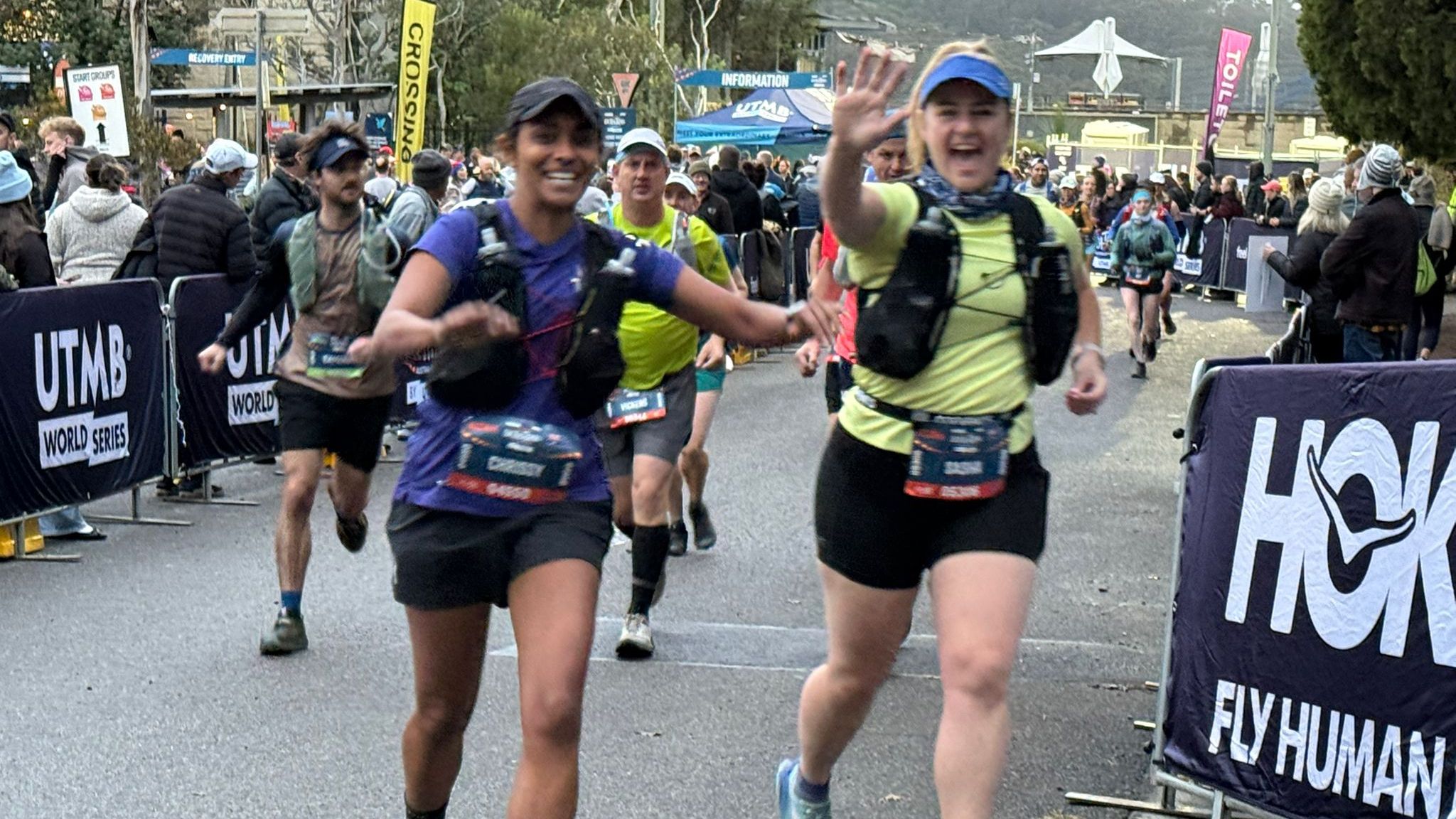
Iron and Fatigue: Why an Easier Week Can Still Feel Heavy
Trail Notes | Female Physiology
When an easier week still feels heavy
Iron, Fatigue
& Your Quieter Training Week
After a demanding training block, an easier week should give your body space to absorb the work. The volume drops. The sessions feel gentler. You expect your legs and energy to begin coming back.
But what if they do not?
Feeling tired during a heavy training block is normal. Feeling unusually flat, heavy, breathless or unable to recover when your training has eased is worth paying attention to. It does not automatically mean something is wrong. But it may mean your body is asking for more than a lighter week.
For female endurance athletes, one important possibility is low iron. Not because every tired runner is iron deficient, but because women who train, bleed, under-fuel or build load quickly can have higher iron demands than they realise.
A quieter week can reveal the difference between normal training fatigue and tiredness that needs a closer look.
If your load has dropped and your energy still feels unusually low, the answer is not always more discipline. Sometimes it is information.
Trail Note · 01
Why iron matters for runners
Iron helps transport oxygen around the body and supports energy production. When iron stores are low, running can feel harder than it should. You may still be able to complete the session, but the effort cost can rise and recovery can start to suffer.
Iron status is not only about anaemia. Low iron stores can occur before haemoglobin drops into an anaemic range. This matters for athletes because you can feel flat, heavy or underpowered before standard anaemia is obvious.
For women, iron can be influenced by menstruation, heavy bleeding, endurance training, under-fuelling, low dietary iron intake, gut issues, illness and repeated high-load blocks without enough recovery. None of these factors exists in isolation. The pattern matters.
Iron is not just a blood marker. It is part of how your body carries oxygen, produces energy and tolerates the training you are asking it to do.
Trail Note · 02
Why female endurance athletes can be more vulnerable
Female athletes may have additional iron losses through menstruation, particularly with heavy periods. Endurance training can also increase iron demand through red blood cell turnover, sweat losses, gastrointestinal irritation in some athletes, foot-strike haemolysis and inflammation after hard sessions.
Food matters too. If training increases but total energy intake does not, iron intake may not meet demand. This can be especially relevant in athletes who unintentionally under-fuel, avoid red meat, eat mostly plant-based, experience gut upset or have heavy bleeding.
Research in athletes suggests that low iron stores are common enough to take seriously, including in women who are not classified as anaemic. That does not mean every tired runner needs supplements. It means persistent fatigue deserves proper assessment, not guesswork.
Common contributors to low iron stores
Heavy or prolonged menstrual bleeding.
Low total energy intake or inconsistent fuelling around training.
Low intake of iron-rich foods, especially when training load is high.
Vegetarian or plant-based eating without deliberate iron planning.
Gut symptoms, illness, inflammation or poor absorption.
Repeated heavy training blocks with limited recovery.
Trail Note · 03
Why timing can matter
Hepcidin is a hormone that helps regulate iron absorption and iron availability. After hard or prolonged exercise, hepcidin can rise in the hours that follow. This may temporarily make it harder for the body to absorb iron from food or supplements.
This does not mean you need to obsess over every meal. It does mean that if you are actively trying to improve iron status, the timing of iron-rich meals, supplements and training may be worth discussing with a GP or sports dietitian.
Practical translation
If you are eating to maintain iron, focus on consistency first: enough total food, enough protein, enough carbohydrate and regular iron-rich foods.
If you are treating low iron, get individual guidance. Your practitioner may consider blood test results, training schedule, supplement form, timing, dose and gut tolerance.
Do not start high-dose iron supplements without professional advice. Too much iron can be harmful, and fatigue can have many causes.
Trail Note · 04
Signs worth paying attention to
Low iron can look different from one woman to the next. Some signs overlap with normal training fatigue, poor sleep, under-fuelling, stress, illness, thyroid issues or low energy availability. This is why testing matters.
Possible signs
Fatigue that feels greater than your training load would explain.
Heavy legs or a noticeable drop in performance.
Becoming unusually breathless during familiar sessions.
Difficulty recovering between sessions.
Feeling weak, light-headed, cold or unable to concentrate.
Heavy menstrual bleeding, missed periods or a recent change in your cycle.
These signs do not diagnose low iron on their own. They are signals to pause, review the bigger picture and consider whether a blood test is appropriate.
Trail Note · 05
Use the quiet week as a check-in
Your easier week is not lost training. It is when your body repairs, adapts and prepares for the next block. It is also a useful opportunity to notice whether your energy begins to return as the load comes down.
If the quieter week helps and you gradually feel more like yourself, your body may simply have needed recovery. If the quieter week does not shift the fatigue, that is useful information too.
Ask yourself
Does my fatigue match the training I have completed?
Am I beginning to feel better as the week progresses?
Have my periods recently become heavier, longer or more disruptive?
Am I eating enough to support my training load and life load?
Have I recently increased intensity, elevation, long runs or heat exposure?
When did I last have my iron levels checked?
Trail Note · 06
What to test and who to ask
If persistent fatigue, breathlessness, heavy periods or poor recovery are part of your experience, speak with your GP, sports doctor or sports dietitian. Ask whether blood testing is appropriate and explain that you are an endurance athlete, not only that you feel tired.
Testing may include a full blood count and iron studies such as ferritin, serum iron, transferrin saturation and related markers. Some practitioners may also consider inflammation markers, thyroid function, B12, vitamin D or other investigations depending on symptoms.
Interpretation matters. Ferritin can be influenced by inflammation, illness and recent stress. Athlete needs may also differ from general population ranges. This is why results should be reviewed with a qualified professional who understands your symptoms and training context.
Her Trails coaching cue
Do not rely on motivation to solve a physiological problem. If your body keeps sending the same signal, gather better information.
Trail Note · 07
Food-first ways to support iron
Food will not correct every case of iron deficiency, especially if stores are very low or bleeding is heavy. But regular iron-rich meals are still part of a strong foundation, particularly during heavier training blocks.
Haem iron
Found in animal foods such as red meat, poultry, fish and seafood. This form is generally more readily absorbed.
Non-haem iron
Found in plant foods such as legumes, tofu, tempeh, leafy greens, nuts, seeds, wholegrains and fortified cereals.
Vitamin C pairing
Pair plant-based iron sources with vitamin C-rich foods such as citrus, berries, kiwi, capsicum, tomato or broccoli to support absorption.
Absorption blockers
Tea, coffee and high-calcium foods can reduce iron absorption when consumed close to iron-rich meals or supplements. Timing may matter if you are actively rebuilding iron stores.
Trail Note · 08
When supplements enter the conversation
Iron supplements can be useful when deficiency is confirmed, but they are not something to start casually. The right approach depends on your blood results, symptoms, medical history, menstrual bleeding, diet, gut tolerance and training schedule.
More is not always better. High-dose iron can cause side effects and can be harmful when used unnecessarily. If you are already taking iron and still feeling flat, that is also worth reviewing rather than simply increasing the dose.
Ask your practitioner
Do my results suggest low iron stores, iron deficiency anaemia, inflammation or another issue?
What dose, form and timing would be appropriate for me?
How should I time iron around coffee, calcium, meals and training?
When should I retest?
Do we also need to investigate heavy bleeding, gut symptoms, low energy availability or another underlying cause?
Trail Note · 09
The training decision
If your easier week reveals persistent fatigue, resist the urge to immediately push harder. The goal is not to prove your toughness. The goal is to understand why the work is not landing.
In the short term, this may mean keeping sessions easy, reducing intensity, prioritising sleep and fuelling, and delaying another hard block until symptoms are clearer. In the longer term, it may mean adjusting training load, nutrition, menstrual health support or recovery patterns.
If the quiet week does not restore you, do not assume you need more grit.
You may need more fuel, more recovery, better information, or support from someone who can help you understand what your body is asking for.
Listen to the fatigue, then gather better information
Written by the Her Trails coaching team
Trail Notes are evidence-informed coaching journals written for women who train, race and run on trails.
Key references
Nabeyama T et al. Prevalence of iron-deficient but non-anemic university athletes in Japan: an observational cohort study. J Int Soc Sports Nutr. 2023. PMID 38018828.
Pedlar CR et al. Iron balance and iron supplementation for the female athlete: a practical approach. Eur J Sport Sci. 2018. PMID 29280410.
Peeling P, McKay A. Iron regulation and absorption in athletes: contemporary thinking and recommendations. Curr Opin Clin Nutr Metab Care. 2023. PMID 37421382.
Fensham NC et al. Factors influencing the hepcidin response to exercise: an individual participant data meta-analysis. Sports Med. 2023. PMID 37347443.
Keep going with us
General education only, not medical or nutrition advice. Persistent fatigue, breathlessness, heavy menstrual bleeding or suspected iron deficiency should be discussed with a qualified health professional.