
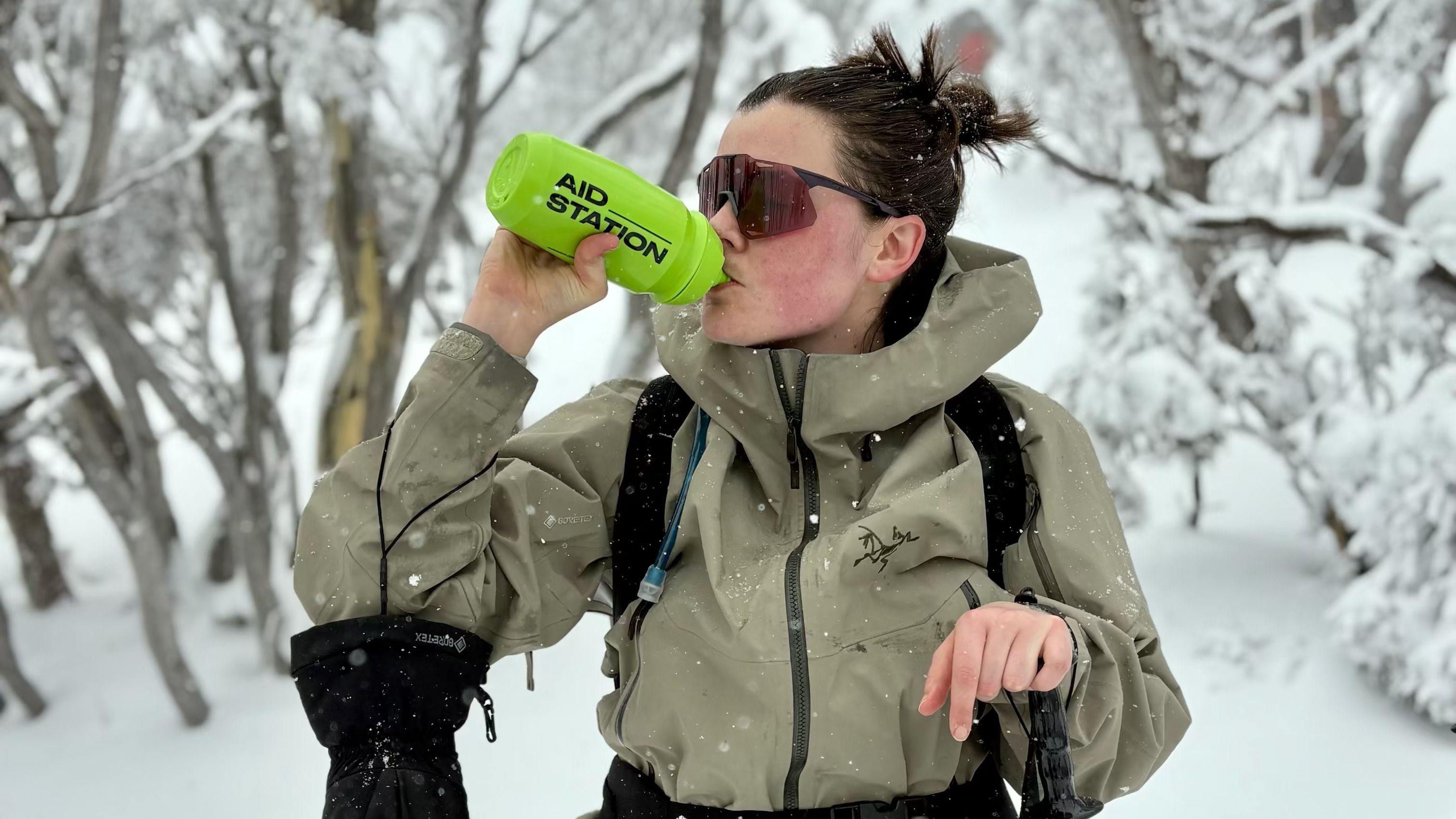
Eat to Endure: Fuelling Winter Missions and Multi Day Efforts
Trail Tips | Nutrition & Fuelling
For cold weather missions, winter trails and multi-day efforts
Eat to Endure
Fuelling Winter Missions & Multi-Day Efforts
Cold weather adventures are their own terrain. Whether you are cross-country skiing for three hours, fastpacking all day, moving through snow, or backing up for a multi-day trail mission, your fuelling needs can shift quickly.
In the cold, you may not feel as thirsty. Your hands may not want to open wrappers. Food can freeze. Your gut may feel slower. Your body is also working to keep you warm, move across uneven terrain and manage the extra energy cost of snow, wind, layers and elevation.
This is your guide to staying warm, steady and energised when the temperature drops and the terrain keeps asking for more.
Winter fuelling is not about carrying the lightest possible kit. It is about carrying enough energy to stay clear, warm and capable.
Under-fuelling in the cold does not always feel dramatic at first. It can show up as poor decision-making, low mood, clumsiness, shivering, gut shutdown, heavy legs or an inability to get warm once you stop.
Trail Tip · 01
Why cold changes the game
Cold weather can increase energy demand, especially when you are moving for a long time, working through snow, wearing heavier kit, climbing, descending, shivering, or trying to stay warm during pauses. The colder, windier, wetter and longer the mission, the more your fuelling strategy matters.
Hydration also becomes easier to neglect. Thirst can feel less obvious in cold conditions, but you are still losing fluid through sweat, breathing, layers, altitude exposure and long duration movement. A cold day does not remove the need to drink. It just makes the signal quieter.
Digestion can feel different too. When you are cold, stressed, moving hard or under-fuelled, your gut may become less tolerant. This is where early, steady fuelling helps. Waiting until you are empty often makes it harder to eat enough later.
Cold weather can affect
How much energy you need to stay warm and keep moving.
How thirsty you feel, even when fluid losses continue.
How well your gut tolerates cold foods, gels or dense snacks.
How quickly your hands can access, unwrap and eat food.
How quickly your energy drops if you wait too long to fuel.
Trail Tip · 02
The female physiology lens
Women are not fragile in the cold. But women are often under-fuelled, and cold weather can expose that quickly. If your body is trying to train, stay warm, manage hormones, recover, and keep up with life load, it needs enough energy coming in.
Across the menstrual cycle, some women notice changes in appetite, perceived effort, fluid balance, body temperature, cravings, gut comfort or recovery. The luteal phase may come with a slightly higher resting body temperature and, for some women, greater appetite or salt cravings. The key is not to follow rigid rules. It is to notice your own patterns and fuel the conditions you are actually facing.
If you feel cold easily, run out of energy quickly, struggle with cravings after winter sessions, lose your period, experience repeated illness, or feel unusually flat after long cold efforts, the first question is not whether you are tough enough. It is whether your energy intake is matching the demand.
Female-focused check-in
Am I eating before I start, or waiting until I feel hungry?
Does my appetite or energy shift in the luteal phase or premenstrual days?
Do I feel cold because the weather is cold, or because I have under-fuelled?
Am I carrying enough food for the time out, the terrain and the weather?
Am I using caffeine to override fatigue that really needs food, fluid, warmth or rest?
Trail Tip · 03
The three-hour rule, and beyond
For shorter winter sessions, a good meal beforehand may be enough. Once you are moving beyond 90 minutes, and especially beyond three hours, you need a plan. Cold weather is not the place to freestyle your nutrition.
Around 3 hours
Prioritise early fuelling and steady hydration. Use foods you know you tolerate while running, hiking or skiing. Start before you are hungry, and keep food close enough that you can access it with cold hands.
All-day efforts, 5 to 8 hours
Keep carbohydrate coming in regularly, then add small amounts of fat and protein to stabilise energy and satisfaction. Think oat balls, tahini wraps, rice cakes, nut butter pouches, cheese, tofu bites, salty trail mix, bars or warm liquid calories.
Multi-day missions
Recovery fuelling becomes part of the mission. Warm, digestible, salty meals help you absorb calories, replace sodium, support sleep and stay warm overnight. Eat as soon as practical when you stop, then keep grazing if a full meal feels hard.
Trail Tip · 04
Start warm and fed
A warm breakfast before a winter mission does more than fill your stomach. It gives your body carbohydrate to work with, helps you begin warm, and reduces the chance of chasing a deficit all day.
Sweet and warm
Oats with nut butter, maple, banana, berries, seeds or yoghurt.
Savoury and steady
Rice with eggs, tofu scramble, greens, avocado, miso or soy sauce.
Quick start
Toast, banana, nut butter, smoothie, hot chocolate with milk, or a rice pudding cup if nerves are high.
Trail Tip · 05
Fuel while you move
The best winter fuel is the fuel you can actually eat. It needs to be accessible, chewable in the cold, familiar to your gut, and varied enough that you do not get flavour fatigue after two hours.
Cold-weather fuel ideas
Chews, sports drink, waffles, gels or soft bars for easy carbohydrate.
Chocolate-covered almonds, dates, fruit cake, banana bread or salty trail mix.
Tortillas with peanut butter, tahini, jam, honey, cheese, tofu or hummus.
Mashed sweet potato, rice balls or salted potatoes in a squeeze pouch or soft bag.
Nut butter pouches or trail butter-style pouches for high-energy, slower-burning support.
Warm liquid calories, such as miso broth, hot chocolate, soup, chai, diluted sports drink or electrolyte mix in an insulated flask.
Trail Tip · 06
Make hydration visible
In the cold, many athletes drink less because they do not feel as thirsty or because stopping to access bottles is annoying. Build hydration into the plan before you start.
Use the conditions to guide you. If it is dry, windy, high altitude, snowy, or you are wearing warm layers, your fluid needs may be higher than you expect. If your drink keeps freezing, keep soft flasks close to your body, use insulated sleeves, or carry warm fluids in a flask.
Simple hydration anchors
Start hydrated, but do not overdrink before you leave.
Sip regularly rather than waiting for a strong thirst signal.
Use electrolytes or salty foods on longer efforts, especially if you are a salty sweater.
Afterwards, rehydrate steadily with fluid, salt and food instead of only plain water.
Trail Tip · 07
Pack for access, not just calories
Food that is technically in your pack does not help much if you cannot reach it, open it or chew it when your hands are cold. Winter fuelling is a logistics problem as much as a nutrition problem.
Packable cold-weather fuel
Choose foods that do not freeze solid, such as tortillas, energy balls, nut bars, dates, soft chews and oat-based snacks.
Store snacks in inner jacket pockets to keep them warmer and easier to eat.
Pre-open wrappers or repackage food into small bags you can manage with gloves.
Include savoury options such as cheese cubes, smoked tofu, miso sachets, salted potatoes, broth or rice balls.
Keep emergency food separate from planned food so you do not accidentally eat your backup too early.
Trail Tip · 08
Recover like it is part of the route
On a multi-day mission, recovery does not wait until you get home. What you eat in the first hour after stopping helps decide how well you sleep, how warm you feel overnight and how ready you are to move the next day.
Prioritise carbohydrate to replenish energy, protein to support muscle repair, salt and fluid to rehydrate, and warm meals that feel easy to digest. This is where ramen with greens, lentil stew and rice, rice noodles, soup, dhal, pasta, potatoes, curry, hot chocolate or warm milk drinks can become performance tools.
Her Trails coaching cue
In winter, eating enough is also part of staying warm. Fuel is not separate from safety. It is one of the systems that keeps you moving well and thinking clearly.
Trail Tip · 09
The caffeine question
Caffeine can be useful for some endurance efforts, but winter fatigue is not always a caffeine problem. If you are cold, under-fuelled, dehydrated, underslept or already highly stressed, caffeine may temporarily lift alertness while leaving the underlying issue untouched.
If you notice caffeine makes you jittery, anxious, wired, nauseous or more likely to skip food, use it carefully. In the luteal phase, premenstrual days, perimenopause or stressful life seasons, some women may feel more sensitive to it. Let your own response guide the strategy.
Trail Tip · 10
Reflection prompt
Where am I under-fuelling because I am trying to be light, efficient or tough?
What would it look like to meet my body’s winter needs with more clarity, care and preparation?
Cold weather does not ask you to eat less. It often asks you to plan better.
Start warm. Fuel early. Keep food accessible. Drink before thirst gets loud. Recover before tomorrow asks again.
Fuel the cold before it takes from you
Written by the Her Trails coaching team
Trail Tips are practical, evidence-informed coaching notes for women who train, race and move through wild places.
Key references
American College of Sports Medicine guidance on cold-weather exercise and cold-weather nutrition.
Sports Dietitians Australia hydration guidance for exercise.
International Society of Sports Nutrition position stand on nutritional concerns of the female athlete.
Keep going with us
General education only, not medical or nutrition advice. For long, remote, alpine or multi-day efforts, plan food, fluid, safety equipment and emergency options carefully. Work with a qualified sports dietitian for individual fuelling needs.