Your First Fastpacking Trip: What to Know
Adventure Guide
Your First Fastpacking Trip: What to Know
Fastpacking sits somewhere between trail running and hiking. You move light, cover meaningful terrain, and carry just enough to be self-sufficient.
For many women, fastpacking becomes a powerful entry point into longer and more immersive adventures. It blends movement, independence, and time in nature without the pressure of racing or rigid pacing.
Your first fastpacking trip does not need to be extreme, fast, or far. It needs to be thoughtful, realistic, and supportive of your body and experience level.
What Fastpacking Actually Is
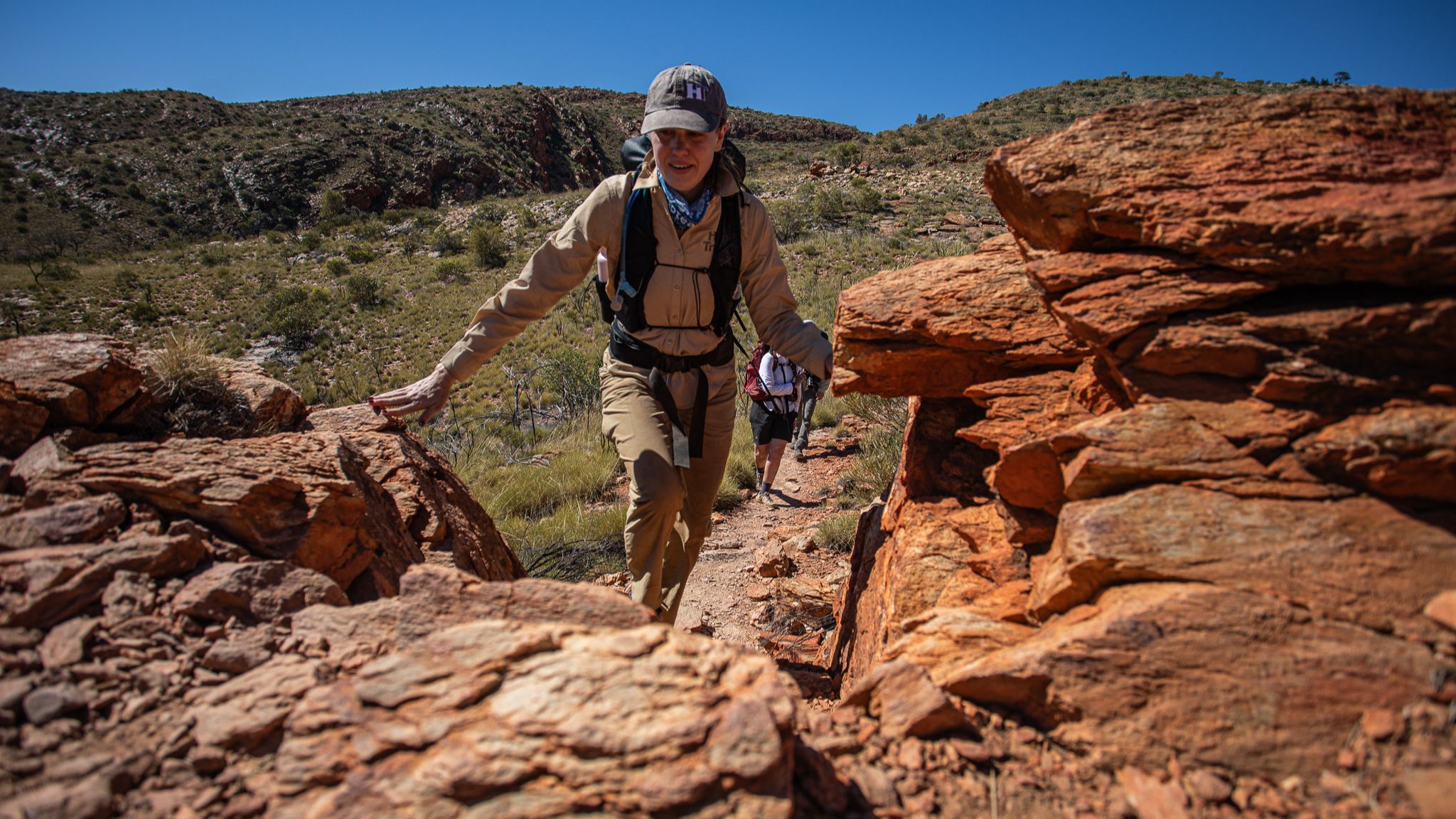
Fastpacking is about moving efficiently through terrain while carrying a small pack of essentials. You might jog the flats, hike the climbs, and move steadily through the landscape over many hours.
For first-timers, fastpacking often looks like:
• Distances longer than a typical hike but slower than a run
• A focus on time on feet rather than pace
• One overnight adventure or a long single-day mission
• An effort you could sustain comfortably for many hours
Start With Your Reason Why
Before thinking about distance, gear, or pace, it helps to understand why this adventure is calling you.
For some women, fastpacking is about challenge. For others, it offers space, reset, confidence, or reconnection with their bodies through purposeful movement.
There is no right reason. But knowing your reason helps guide decisions about distance, intensity, and how you want the experience to feel.
When your purpose is clear, you are less likely to push too hard, compare yourself to others, or feel you need to prove something on the trail.
How Far and How Long to Go
One of the most common first-time mistakes in fastpacking is planning too much distance.
A helpful starting guide:
Daily distance: 15 to 25 km depending on terrain and elevation
Elevation: moderate climbs unless you train regularly in hills
Duration: one overnight trip or a single long out-and-back day
Finishing your first trip feeling capable and curious is far more valuable than finishing completely exhausted.
The Role of Strength Training
Strength training is one of the most overlooked preparations for fastpacking.
Carrying a pack changes how your body moves. Strength work helps your joints, hips and core manage load over long hours, particularly during descents.
2 short sessions per week can make a meaningful difference:
Lower body strength: squats, lunges, step-ups and deadlifts
Single-leg stability for uneven terrain
Core and trunk strength to support posture with a pack
Upper body strength for poles and pack carry
Strength training is not about lifting heavy. It is about feeling more stable, resilient, and less fatigued at the end of the day.
What to Carry and What to Leave Behind
Pack weight matters, but confidence matters more. Carry what allows you to feel safe and steady in the terrain you are entering.
Pack: sized to fit your kit, often 15 to 20 litres for one overnight trip with a sleep system (a smaller 8 to 12 litre pack suits a single long day)
Clothing: warm layer, waterproof shell, spare socks
Nutrition: familiar foods plus one spare meal or snack
Hydration: capacity for 1.5 to 2 litres
Safety: head torch, phone or GPS, basic first aid
Sleep: lightweight sleep system suited to conditions
You do not need novelty gear or multiple outfit changes. Simple and familiar almost always works best.
How to Pace the Day
Hike early on climbs to protect energy
Jog flats only if the terrain feels smooth and relaxed
Eat and drink before you feel depleted
Take short, regular pauses rather than long stops
The goal is simple: finish the day feeling like you could keep moving tomorrow.
What You Gain From Your First Fastpacking Trip
Trust in your ability to move steadily for long periods
Confidence managing your own needs on trail
A clearer sense of what kind of adventure suits you
A recalibrated relationship with effort, pace and landscape
Reflection Prompt
Why does this adventure matter to me right now, and how do I want to feel when I finish my first fastpacking trip?
Her Trails adventures introduce fastpacking in a way that is paced, supported and women-first.
If you feel curious but unsure, that is often the right place to begin.