
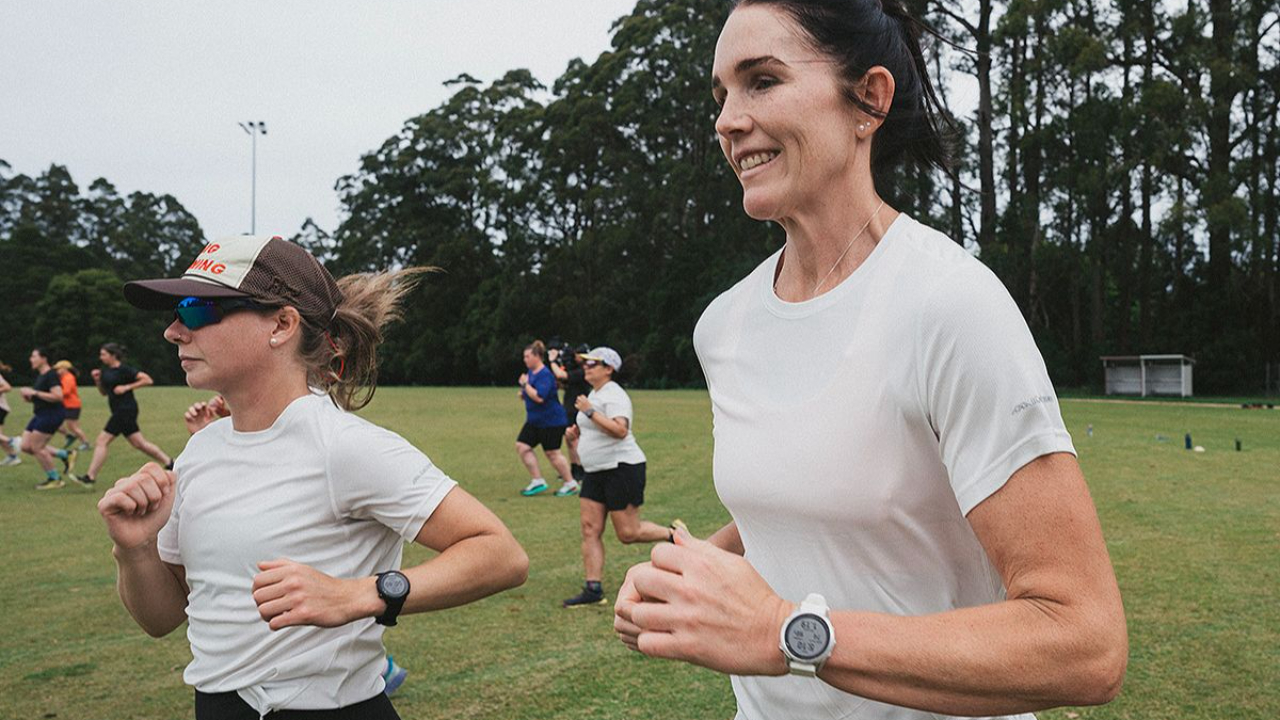
Preventing Trail Injuries: What Actually Works
Trail Tips
A Trail Note on what actually moves the needle for preventing trail injuries: especially for women – so you can stay on the dirt more consistently, with a body that feels capable rather than fragile.
Preventing Trail Injuries: What Actually Works
Every runner knows the sting of injury. For trail runners, it can feel like the risk doubles: ankles on uneven ground, knees absorbing descents, hips tightening after long climbs. Stringing together weeks of training without a setback can start to feel like luck.
But it isn’t luck. While you can’t control the unpredictability of trails, you can control how prepared your body is to meet them. Prevention isn’t about doing everything; it’s about doing the right things, consistently.
Build strength that carries you forward
Trail running is one foot at a time, constantly asking your body to stabilise, adapt and absorb. The strength that matters most isn’t about heavy lifts for aesthetics, but functional movements that prepare you for the reality of the trail.
- Single‑leg strength: step‑ups, split squats and lunges teach balance and control with every landing.
- Hip and glute stability: band walks, side planks and bridges keep your knees tracking well – especially important for women, who often experience higher knee stress due to wider hips and alignment angles.
- Deep core and pelvic floor: breathing‑based core work, marching bridges and gentle pelvic floor engagement help you stay steady when the trail shifts under you.
As physio and running coach Alex Bell puts it, the goal of strength work isn’t restriction, it’s capacity. You don’t want to protect yourself by always holding back; you want to build a body capable of more. This is why, at Her Trails, strength isn’t an optional add‑on – every training program includes Strength for Runners blocks designed to keep you durable, not just fit.
Don’t neglect the small things: feet and ankles
Injury prevention starts at ground level. Strong feet and ankles are what let you move across ruts, rocks and rolling terrain without folding.
- Barefoot drills: short, controlled time barefoot on safe surfaces to wake up foot muscles and proprioception.
- Calf raises: both straight‑ and bent‑knee variations to support your Achilles and lower leg.
- Single‑leg balance: standing on one leg while brushing teeth or cooking, progressing to unstable surfaces as control improves.
These habits don’t take hours, but their impact compounds over time. Think of them as insurance for the terrain you can’t predict.
Learn to love the downhill
Climbs get the glory, but it’s the descents that quietly break bodies. Quads, knees and ankles take the load, especially when you brake hard with long strides and locked joints.
Downhill resilience comes from strength and technique
- Eccentric quad work: slow step‑downs, controlled squats and split squats teach your muscles to absorb impact.
- Shorter stride, higher cadence: on trail, keep steps quick and light, staying tall instead of leaning back and “braking”.
- Relaxed upper body: tension leads to stiff landings. Let your arms move, soften your jaw and keep your eyes scanning ahead.
Practise descents in training when the stakes are low, so fluidity becomes second nature when the course gets serious.
Recovery is prevention
The body doesn’t adapt from training; it adapts from recovery. For women especially, under‑recovery is one of the biggest drivers of injury.
- Sleep first: it’s your primary repair tool for muscles, hormones and mood.
- Eat enough: low energy availability sits behind more stress fractures and burnout than any single training error. Carbohydrates, protein and micronutrients aren’t extras; they’re structural.
- Regular mobility: short, frequent sessions for hips, calves and thoracic spine keep you moving freely and spreading load, instead of locking into one pattern.
When you build recovery in on purpose, you create a system that bends instead of breaks.
Why the female lens matters
Generic injury advice often ignores the realities of female physiology. Your body deserves more specificity than “just strengthen your glutes and stretch”.
- Iron and fuelling: low iron or chronic under‑fuelling can compromise bone density and recovery, increasing injury risk.
- Hormonal shifts: around ovulation, some women experience slightly more ligament laxity; in heavy training blocks, this is a cue for extra respect, not fear.
- Pelvic floor: a stable pelvic floor isn’t only about leakage. It’s about efficient power transfer and control with every step, on flat and downhill.
These aren’t weaknesses; they’re realities. When you train with them in mind, you run stronger and stay in the game longer.
The bottom line
Injury prevention isn’t about bubble‑wrapping your body. It’s about building strength that reflects how you run, training feet and ankles to hold you steady, approaching descents with skill, fuelling and recovering with intention, and respecting the specifics of your physiology.
As Alex Bell reminds us, prevention is less about restriction and more about creating capacity. Trails will always carry risk. But with the right preparation, you meet that risk with resilience – and keep showing up, not just for this race or this season, but for the long game.
Reflection prompt
What’s one strength, foot‑care or recovery habit I can add this week that my future trail self will thank me for?