
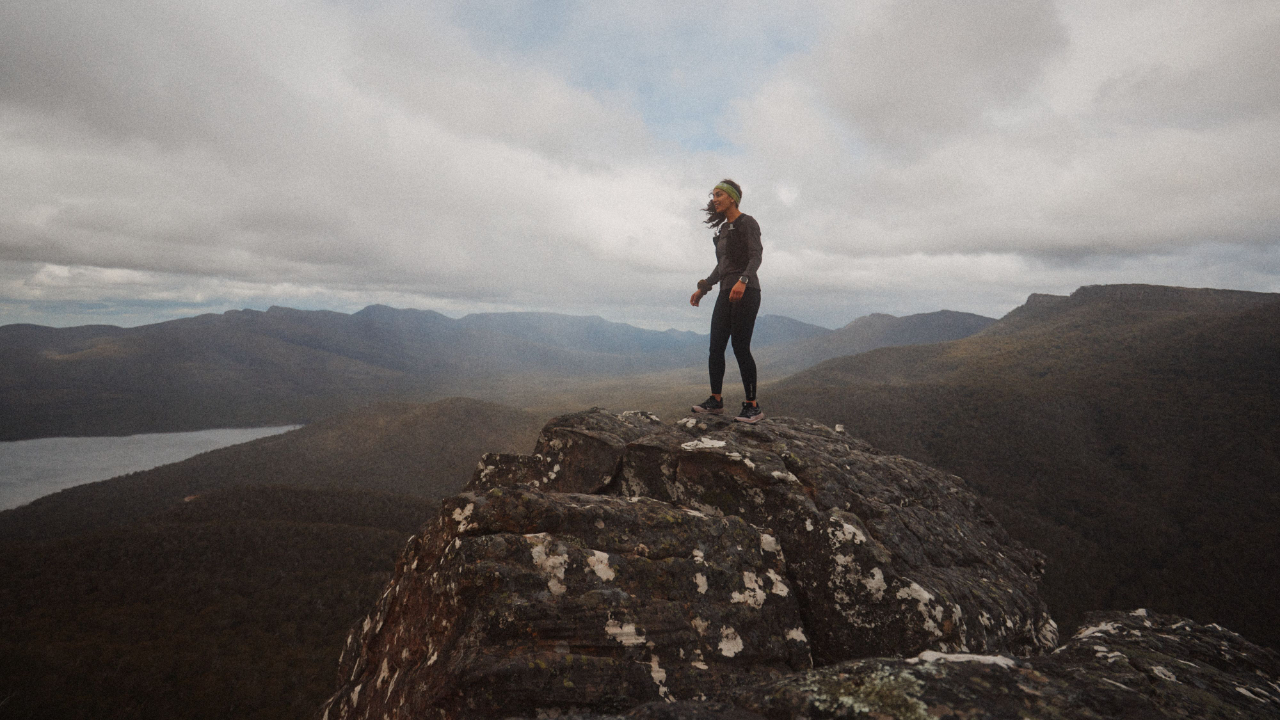
Climb Smart Pacing, posture and breath for stronger trail climbs
Trail Tips | Technique & Skills
Pacing, posture and breath for stronger trail climbs
Climb Smart.
Do Not Fight the Hill.
Every trail runner knows the feeling. You hit a steep climb and suddenly your heart rate rises, your legs feel heavy, and the energy cost feels bigger than expected.
The good news is that climbing well is not only about brute force. It is about strategy. With better pacing, posture, breath and fuelling, climbs can become more sustainable and far less daunting.
A climb will always ask for effort. The goal is not to make it easy. The goal is to stop burning every match before you reach the top.
Walking is not weakness. Power hiking early can be the smartest way to keep moving later.
The best climbers are not always the strongest runners. They are often the runners who know when to shift gears.
Trail Tip · 01
Pacing: slow is smooth, smooth is fast
The most common climbing mistake is waiting too long to adjust. By the time you are gasping, stumbling or forcing each step, you have already spent energy you may need later.
Hike early, not late. Switching to a purposeful power hike before you are redlining keeps effort more controlled and protects your legs for the rest of the course.
Pacing cues for climbs
Shorten your stride. Quick, small steps reduce muscular load and help you hold rhythm.
Use effort, not speed. Pace means very little on steep trail. Let perceived effort guide you.
Stay below panic breathing. Aim for an effort where you could still speak in short phrases.
Shift gears before you are forced to. A planned hike is different to a collapse into walking.
If you are gasping early in the climb, you are probably burning matches too soon.
Trail Tip · 02
Posture: stack, do not slouch
When the climb gets steep, it is tempting to fold forward from the waist. That usually makes breathing harder, tightens the upper body and can reduce the power you get from your glutes and hips.
Think tall through the spine, slight forward lean from the ankles, eyes looking a few metres ahead, and shoulders relaxed. You are trying to stay stacked enough to breathe and angled enough to move efficiently uphill.
Posture cues
Stay tall through the crown of your head.
Lean gently from the ankles, not from a collapsed waist.
Relax your jaw, hands and shoulders.
Look up often enough to read the trail, not only at your feet.
Use your arms to support rhythm, not tension.
Trail Tip · 03
Poles: share the load, do not outsource it
Poles can be helpful on long climbs, steep gradients and technical terrain, but only if you have practised with them. They should support rhythm and share the load, not become something you wrestle with.
Keep your arms close, plant poles in rhythm with your steps, and avoid reaching too far ahead. Long, overreaching pole plants can pull you forward and waste energy.
Her Trails coaching cue
Poles are a skill. If you only bring them out on race day, they may cost more energy than they save.
Trail Tip · 04
Breath: find your climbing rhythm
Your breath is one of the earliest signs that your effort has climbed too high. On steep terrain, mouth breathing is normal. The goal is not quiet breathing. The goal is rhythmic breathing that you can sustain.
Try inhaling for two to three steps and exhaling for two to three steps. On steeper gradients, that may shorten. On gentler climbs, it may lengthen. The exact count matters less than the rhythm.
Breath reset
If your breath gets ragged, slow down until rhythm returns.
Let your ribs and belly expand rather than lifting only through your chest.
Use the exhale to release tension from your shoulders, jaw and hands.
Trail Tip · 05
Fuel before the climb asks for it
Big climbs can expose under-fuelling quickly. If you wait until you are already deep into the ascent, it may be harder to eat, drink or settle your stomach.
For longer runs and races, consider a small carbohydrate top-up before a major climb, especially if the climb is long, exposed, technical or sits late in the course. This could be a gel, chews, sports drink, dates, rice cake or another fuel you have already tested.
Fuel before the climb, not once the climb has already taken you apart.
Trail Tip · 06
The female physiology lens
Some women notice climbs feel different across the menstrual cycle, during perimenopause, or in high-stress and high-load seasons. You may notice changes in heat tolerance, heart rate, appetite, breathlessness, gut comfort or perceived effort.
The goal is not to follow rigid phase rules. The goal is to notice your own patterns and make smarter decisions on the hill. On days when heat, fatigue, symptoms or life load are higher, starting the climb more conservatively may help you move better for longer.
Worth investigating
If climbs feel disproportionately hard, breathlessness is new, your heart rate feels unusually high, or fatigue does not match your training load, iron status, fuelling, recovery and overall health may be worth discussing with a qualified health professional.
Trail Tip · 07
Do not fight the hill
A long climb can feel overwhelming when you look at the whole thing at once. Break it down: next tree, next corner, next switchback, next runnable section, next breath.
You do not need to win every metre. You need to keep moving in a way that leaves you with something for the rest of the course.
Strong steps. Steady breath.
That is often enough. Not dramatic. Not forced. Just the next smart step.
Trail Tip · 08
Train the skill, not just the legs
Climbing efficiency improves with deliberate practice. Strength helps, but skill matters too: pacing, breathing, rhythm, gear choice, pole use and confidence on steep terrain.
Ways to practise
Short hill repeats. Controlled efforts build strength, confidence and rhythm.
Long steady climbs. These teach patience, pacing discipline and sustainable effort.
Power hiking practice. Learn to hike with purpose before race day makes the decision for you.
Strength work. Step-ups, split squats, single-leg squats, calf work, deadlifts and core stability all support uphill power and control.
Steep climbs will always demand effort. But with strategy, they can shift from energy drains into momentum builders.
Reflection prompt
When the next climb feels overwhelming, what can I shift first?
Pace, posture, breath, fuel, or the story I am telling myself about walking?
Strong steps, steady breath
Written by the Her Trails coaching team
Trail Tips are practical coaching notes for women who train, race and run on trails.
Go deeper inside Her Trails
Inside Her Trails programs, we build hill skills through structured run sessions, strength work, pacing practice and race-specific terrain preparation.
General education only. This article is not medical advice. If climbing feels unusually difficult, breathlessness is new, fatigue persists, or symptoms do not match your training load, seek guidance from a qualified health professional.