
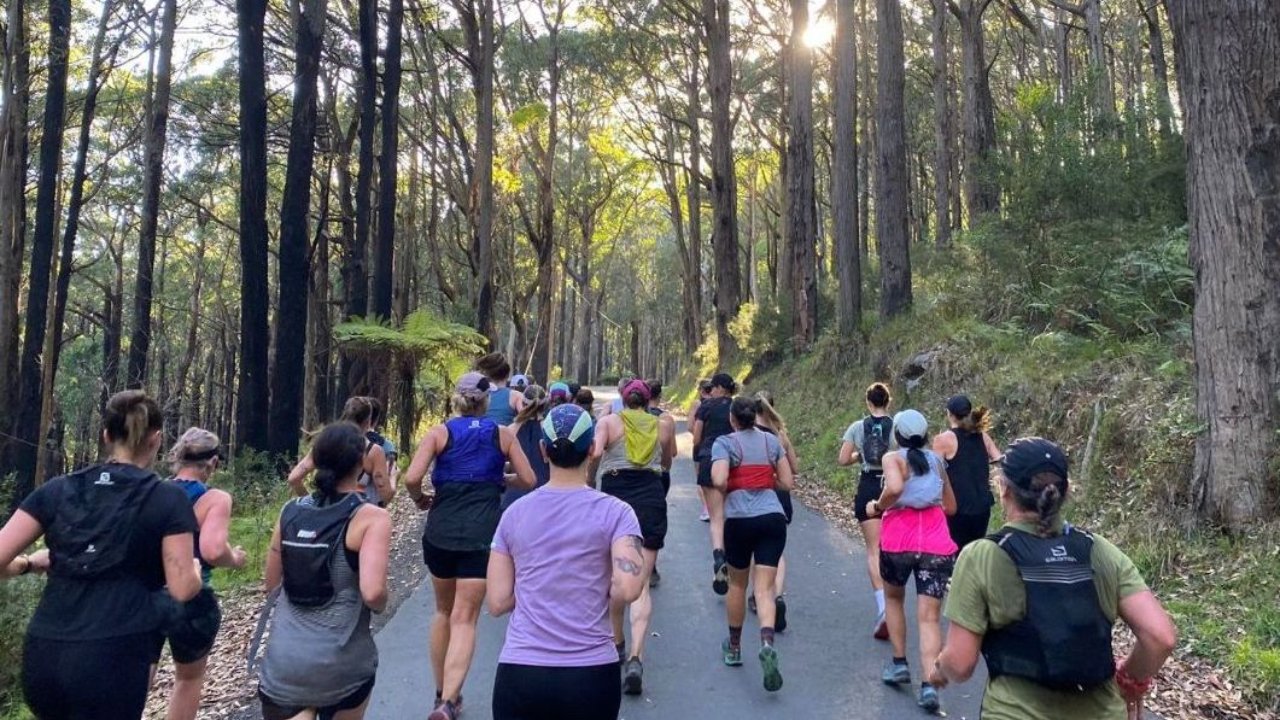
How to Build a Trail Running Base From Zero.
Trail Notes | Beginner Trail & Ultra Running
start where you are, build what lasts
How to Build a Trail
Running Base From Zero
A trail running base is not a fitness level you must reach before you are allowed to begin. It is what you build by beginning.
You do not need to get fitter first. You do not need to lose weight, buy every piece of gear or wait until you feel like a runner.
You need a starting point that matches your current body and life, then a rhythm small enough to repeat. Over time, that rhythm builds fitness, strength, confidence and familiarity with the trail.
This guide is for new runners, walkers who want to begin running, road runners moving onto trails and women returning after time away.
The base is not the boring part before the real training begins.
It is the work that makes future training possible.
Trail Note · 01
What you are actually building
A running base is more than cardiovascular fitness. It includes the strength to manage repeated steps, the capacity to recover, confidence on changing terrain and habits that allow training to fit alongside the rest of your life.
Aerobic capacity that lets movement feel easier.
Muscular strength and endurance for hills and uneven ground.
Gradual tolerance to repeated running load.
Skills for walking climbs and moving across trails.
Fuel, sleep and recovery habits that support the work.
Some parts of fitness may improve before your body is ready for a large jump in running. That is why early enthusiasm needs to be matched with patient progression.
Trail Note · 02
Begin with walk and run intervals
Walk and run intervals allow you to accumulate time moving without turning every session into a test. They are not a shortcut or a lesser version of running. Experienced trail and ultra runners use walking strategically throughout training and racing.
A simple starting session
Walk gently for five minutes.
Run easily for one minute.
Walk for two minutes.
Repeat for a manageable number of rounds.
Finish with an easy walk and enough energy that you could have done more.
If one minute of running is too much, shorten it. If it feels comfortable, repeat the same structure until it feels familiar before adding more. The session should meet you where you are.
Walking is not what happens when trail running goes wrong. It is part of how trail running works.
Trail Note · 03
Keep easy sessions genuinely easy
Early sessions should not leave you gasping or needing several days to recover. Use the conversation test rather than pace.
Easy effort usually means
You can speak in complete sentences.
Your breathing remains controlled.
You finish feeling that you had more available.
You feel ready to move again after appropriate recovery.
Trail pace changes with gradient and terrain, so track time and effort before worrying about kilometres or speed.
Trail Note · 04
Build a rhythm you can repeat
There is no correct number of weekly running sessions for every beginner. Your starting point depends on your current activity, injury history, health, available time and how you respond.
For some women, two walk and run sessions each week will be enough initially. Others with an existing walking or fitness base may tolerate three. Recovery days between early running sessions can help you notice how your body is responding.
An example beginner week
Monday: Rest or comfortable walking.
Tuesday: Short, easy walk and run session.
Wednesday: Rest, mobility or comfortable walking.
Thursday: Short strength session.
Friday: Rest.
Saturday: Easy walk and run session on a familiar trail.
Sunday: Comfortable walk, gentle movement or rest.
Trail Note · 05
Progress one demand at a time
There is no universal ten percent rule that guarantees injury prevention. A more useful approach is to avoid adding several new demands at once.
Choose one thing to progress
Add a small amount of running time.
Extend the total session slightly.
Introduce a little more climbing.
Move onto slightly more technical terrain.
Repeat a new level long enough to understand how your body responds. A session that looks manageable on paper may still create more fatigue or soreness than expected.
Avoid making one session dramatically longer than anything you have completed recently. Progression works best when the next step remains connected to the work that came before it.
Trail Note · 06
Make strength part of the base
Trail running asks your body to manage hills, uneven ground and repeated single-leg loading. Strength training can help build the capacity needed for those demands.
Squat and step
Squats, split squats and step-ups build useful strength for climbing and controlling descents.
Hinge
Bridges and hip hinges strengthen the glutes and hamstrings that help propel you uphill.
Raise and balance
Calf raises and single-leg balance prepare the lower legs for repeated trail contact.
Carry and brace
Carries and controlled trunk exercises help maintain posture and control as fatigue builds.
Begin with manageable exercises and progress resistance over time. A short session performed consistently is more valuable than an ambitious plan that rarely fits your week.
Trail Note · 07
Start on terrain that builds confidence
Choose wide, well-marked paths, gentle fire trails, rail trails or familiar reserve loops. Predictable terrain lets you learn effort and movement without simultaneously managing steep climbs, loose rock and difficult navigation.
Walk hills before your breathing becomes uncontrolled. Use short, comfortable steps and let your arms help. A strong hike is a trail-running skill, not evidence that you are not ready.
More technical terrain can come later, when you have enough capacity to focus on foot placement, balance and decision-making.
Her Trails coaching cue
A strong hike up. A controlled run across the top. A patient descent. That is good trail running at every level.
Trail Note · 08
Recovery is part of the plan
Training provides the stimulus. Food, sleep and time between sessions help your body respond to it.
Review the plan if you notice a pattern of:
Increasing pain or soreness that is not settling.
Heavy legs across several sessions.
Poor sleep, unusual fatigue or declining motivation.
Frequent illness or difficulty recovering.
Eating less while training demands are increasing.
The answer is not always more rest and it is not always more training. Sometimes the plan needs less load, more food, better sleep, medical assessment or a conversation with a coach.
Trail Note · 09
Let the first goal support the habit
Your first goal should create enough direction to help you show up without demanding more than your current foundation can support.
It might be joining a community run, completing a local five-kilometre trail event, taking on a manageable relay leg or moving continuously for a set amount of time using both walking and running.
A good first goal asks you to grow. It should not require you to prove that you belong.
You become a trail runner by returning to the trail.
Begin small. Keep the effort kind. Build one demand at a time. Let consistency do what intensity cannot.
start where you are, build what lasts
Written by the Her Trails coaching team
Trail Notes are practical, evidence-informed guides for women who want to move, train and explore with greater confidence.
General education only. Seek individual medical or exercise advice if you have health concerns, significant pain or are returning after illness, surgery, pregnancy or birth.
Further guidance
Australian physical activity recommendations for adults.
The Australian Government recommends beginning from your current level, building activity progressively and including regular muscle-strengthening work.
Build your base with us