
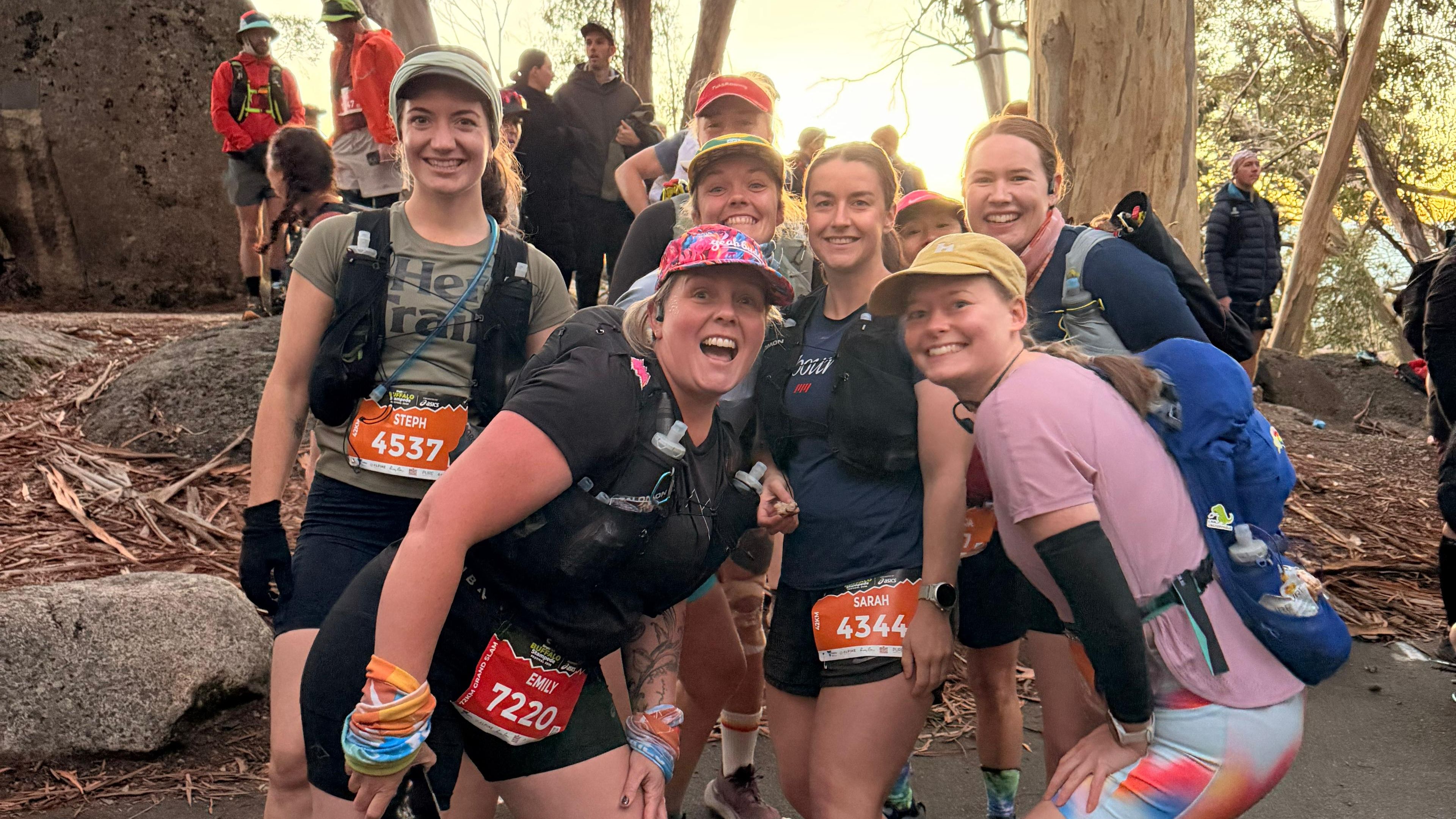
The Case for Play in Training
Training Notes · Philosophy · Longevity
The Case for Play
in Training.
Why lightness, curiosity and joy are not distractions, but essential to long-term performance.
move because you want to
Most training plans are built on structure. Sessions, intervals, progression, load. All of it has a place. But something often gets quietly lost. The reason you started moving in the first place.
01 · What we leave behind
When training becomes another obligation.
Over time, training can become another thing on the list. Another metric to hit. Another space where you measure yourself against what you think you should be doing. When that happens, the experience tightens. Effort increases, but connection decreases.
This is where play stops being optional. It is where it becomes essential. Not as decoration around the real work, but as part of how the real work continues to be possible.
02 · The physiology of seriousness
What happens when every session is too serious.
When every session is structured and outcome-focused, training can start to feel like constant pressure. Intensity has its place and supports performance well. It was not designed to be the default.
Without enough ease, recovery can suffer, and fatigue, both physical and mental, becomes more likely. Training stops feeling like something that restores you. It starts feeling like something you have to recover from.
“The athletes who last are not always the ones who train the hardest. They are the ones who still find something in the movement that feels good.”
03 · What play builds
Play is not the opposite of training.
It is a different kind of stimulus. Looser, more curious, less measured. And it can do physical and psychological work that structured sessions do not.
Three things play builds
04 · The longer game
Play protects consistency.
Endurance is built across years, not weeks. Consistency is one of the strongest foundations of long-term performance. What matters is not how hard one training block was, but how many training blocks you can string together without breaking.
When you train because it feels good, rather than because you feel you should, you are more likely to keep going. Play reduces pressure, increases enjoyment, and makes it easier to return to training even when life is full. Consistency is what builds endurance. Not a single perfect week. Not one strong session. Repeated, sustainable effort over time.
05 · In practice
How to bring play into your training.
Play is not a session type you bolt on. It is a quality you let back in. Five small practices that change the texture of a training week without changing the volume.
Five ways to let it back in
06 · Holding both
Serious training, lighter approach.
You can train with intent and still hold lightness. You can build strength without losing connection to the experience. Play does not take away from performance. It supports it.
The goal is not to make every session easy. It is to make the process sustainable. Something you can return to, again and again, not because you have to, but because part of you still wants to.
“Play is not the absence of seriousness. It is the way seriousness becomes sustainable.”
07 · What matters most
Stay close to the original pull.
Somewhere underneath the plan, the metrics, the splits and the goal race, there is still a body that wanted to move because moving felt good. Train hard. Train with intent. But do not lose the thread back to that. It is the thing that will keep you running long after the goals change.
go play out there.
Written by
Her Trails Coaching
Coaching reflections for women training across the seasons of their lives.