
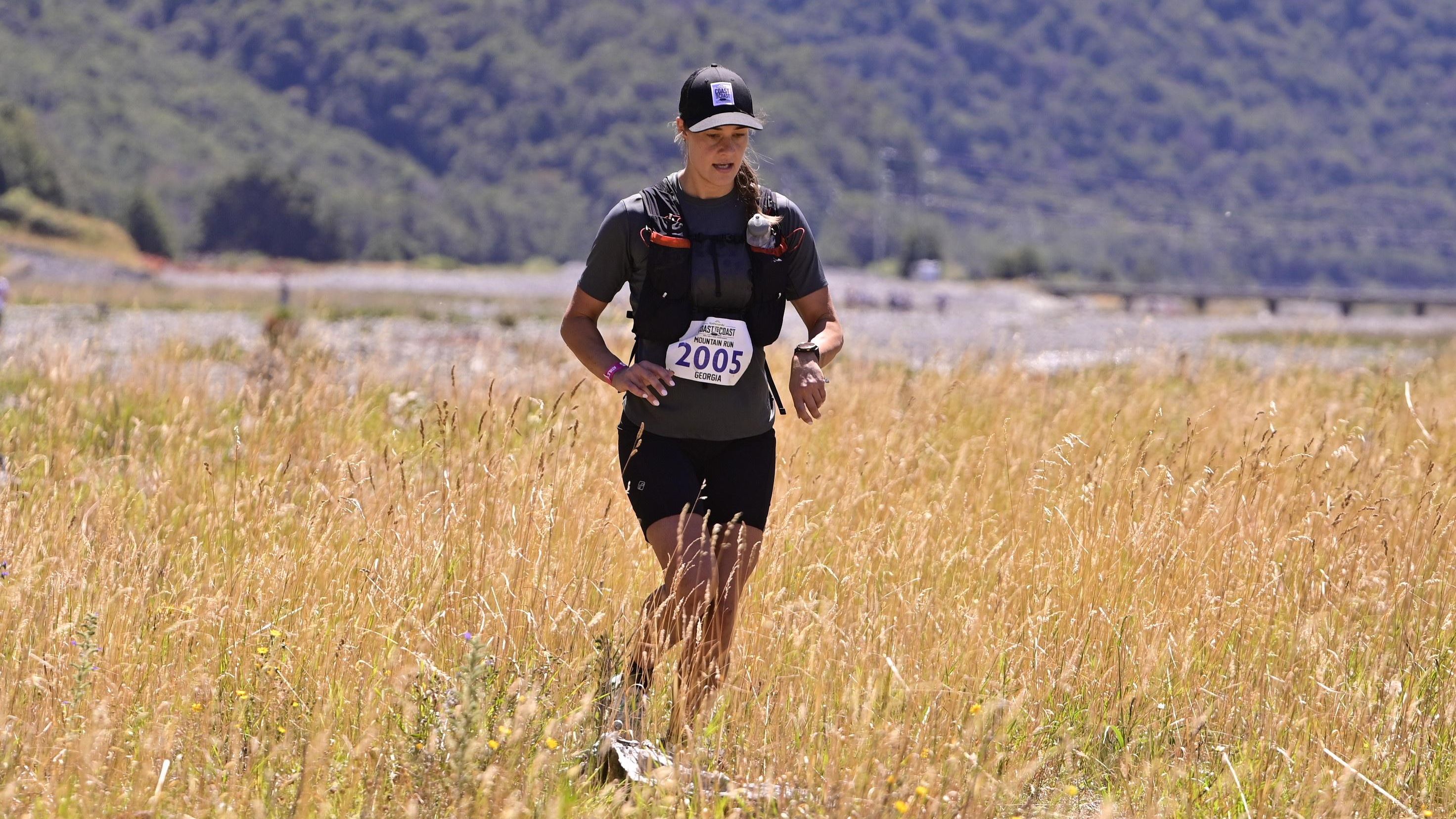
Fuelling on the Trail: What to Eat and When
Training Notes · Trail Running · Nutrition
Fuelling on the Trail.
What to eat, when to eat, and how to train the gut to use it.
fuel is training
Fuelling is not separate from training. It is part of the stimulus. You are not just training your legs. You are training your ability to take in and use energy while you run.
01 · The frame
Why fuelling matters more than you think.
Endurance performance is not limited by fitness alone. It is limited by how much energy your body has available, and how efficiently it can use it. As training load increases, so does the demand for fuel. Without it, the body compensates.
Research suggests that sustained under-fuelling can raise cortisol, affect thyroid function, and impair both recovery and adaptation. This is not just about feeling tired. It can change how your body responds to training. Runs become harder than they should be. Recovery takes longer. Progress slows. Over time, this compounds.
“You are not just training your legs. You are training your ability to take in and use energy while you run.”
02 · The timing
When to start eating.
One of the most common mistakes is waiting too long. By the time you feel depleted, you are already behind. A simple structure works for many runners. Hit the plan, not the feeling.
Simple fuelling structure
Carbs per hour during running
Spread intake across the hour rather than taking a large amount at once. Many athletes tolerate small sips and bites every 15 to 20 minutes far better than a single large gel every hour.
For road marathons, the carbohydrate target sits at the higher end of what feels possible. Recent research and elite race practice have pushed average intakes from the long-standing 60 g per hour figure toward 80, 90 and even 100+ g per hour. Some studies suggest that gut-trained athletes who can absorb mixed carbohydrate at this rate may hold pace better in the final 10 km, where glycogen depletion usually decides the race.
That does not mean every marathon runner should chase 100 g per hour. The right number is the highest one your gut can use cleanly at race pace. For many runners that lands between 60 and 90 g per hour. The point is to build toward it gradually and deliberately in training rather than guess on race day.
Carbohydrate loading still matters for the marathon. Aim for around 8 to 10 g per kilogram of body weight per day across the 36 to 48 hours before the race, with the last large carbohydrate meal eaten 12 to 16 hours out and a smaller, familiar pre-race breakfast 2 to 3 hours before the start. Hydration with sodium across the loading window may help protect against the dilutional drop that can show up on race morning.
03 · What to eat
Practical fuel choices.
Fuel needs to be practical. Something you can carry. Something you can tolerate. Something you can repeat. There is no single perfect option. The goal is to find what works for you, and practise it consistently.
Fuel categories
04 · The gut
Training your gut is part of training.
Your ability to fuel is trainable. The gut adapts in the same way your muscles do. Repeated exposure improves tolerance and efficiency. This is why fuelling should be practised in training, not saved for race day.
Start simple. Stay consistent. Build gradually. The goal is not just to carry fuel. It is to be able to use it under load.
A simple gut-training progression
05 · The feedback
What it should feel like.
When fuelling is working, the difference is subtle but clear. Energy feels more stable. Effort is easier to hold. There are fewer peaks and troughs. The back half of the long run starts to look like the front half.
When fuelling is not working
These can be signs of under-fuelling, though a hard session, poor sleep or illness can look the same. The longer under-fuelling goes unaddressed, the more it can compound.
06 · The female layer
For women, under-fuelling can compound faster.
Women can be more sensitive to low energy availability, and the same intake gap may show up sooner and with greater consequence. Cortisol can climb, thyroid output can dip, recovery can slow, mood can shift. None of it is dramatic in a single session. Over weeks, it adds up.
Consistent fuelling supports not just performance, but recovery, mood and long-term training capacity. It is not about eating more than needed. It is about eating enough for the work you are asking your body to do.
07 · The shift
Fuelling stops being optional.
At some point in training, fuelling stops being something extra. It becomes part of how you train. Not a thing to think about later. Not a thing to test closer to race day. A session input, just like the run itself.
Once that shift happens, everything changes. Sessions hold together better. Recovery sharpens. The long-run wall arrives later, or stops arriving at all.
fuel the body that carries you.
Want a personal plan?
Tamara Madden
Specialist in fuelling for endurance sport.
For individualised on-trail fuelling, gut training and race nutrition built around your physiology and event, we recommend working with Tamara at Madon Nutrition.
Visit Madon Nutrition →Written by
Her Trails Coaching
Evidence-informed coaching for women training across the seasons of their lives.